School is over! How do you keep nutrition a priority? Here are some of our best summer nutrition tips for healthy kids.
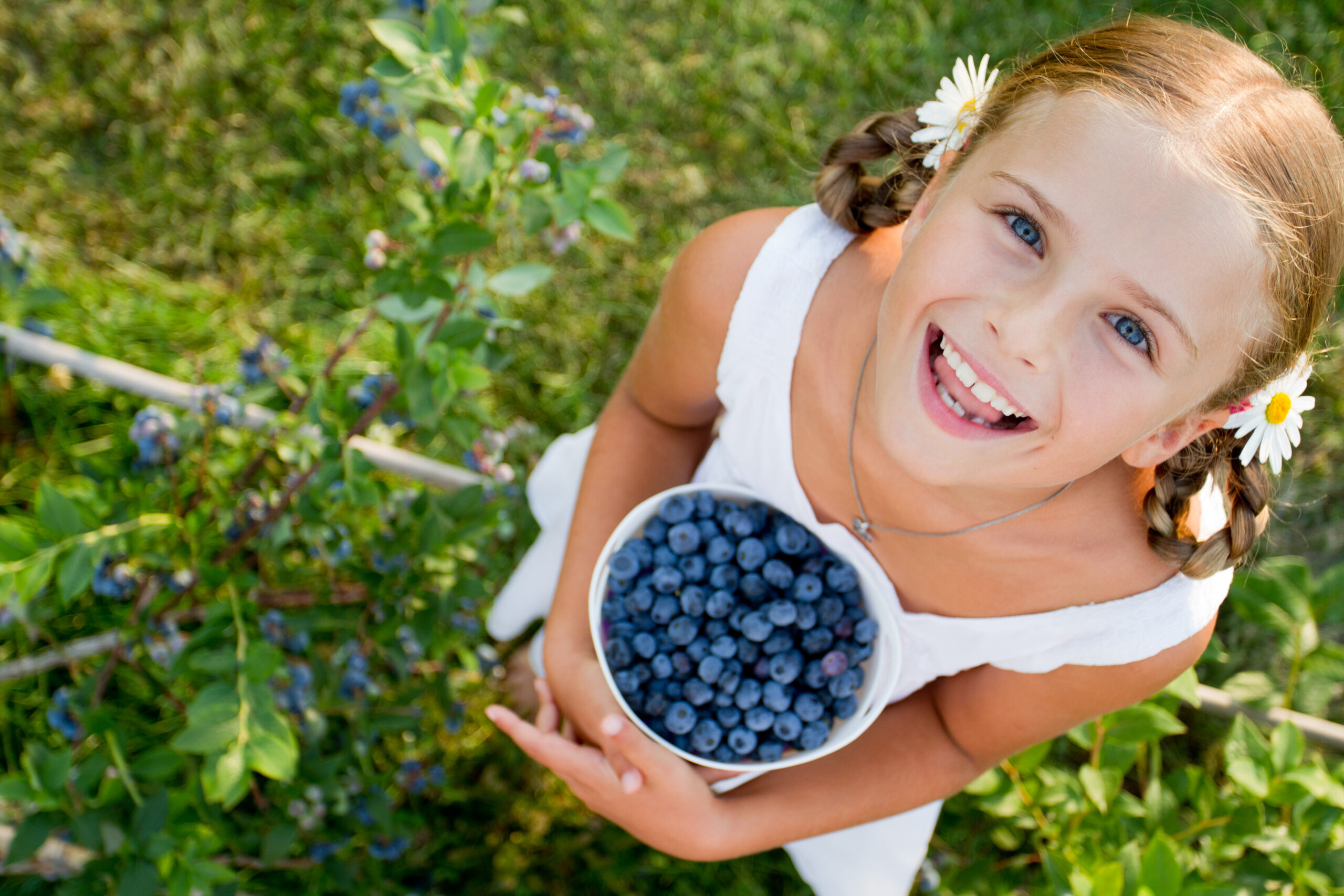
School’s out for the summer! For many families, this means an adjusted routine of either kids being home significantly more during the week or perhaps juggling a summer camp schedule.
This may present new challenges or needs when it comes to feeding your kiddos.
Here are 11 tips to help simplify feeding kids during summer break but keep nutrition a top priority.
1. Involve them in meal planning
Let your children help plan the weekly menu sometimes. This helps ensure balanced meals are the norm even when school is over, and continues to give them a sense of ownership over their food choices.
Plus, when they’re involved, this can help pickier eaters be more interested in trying new things.
2. Maintain your routine
Kids need routines, which can be admittedly hard when school suddenly ends. Even though it’s summer, try to keep regular meal and snack times.
This helps prevent constant grazing, hunger-related meltdowns, and promotes balanced blood sugar and better digestion.
3. Emphasize hydration
Encourage kids to drink plenty of water throughout the day, especially during outdoor activities. Infuse water with fruits for added flavor without extra sugar.
Have your child get into the habit of fill their reusable water bottles in the morning for the day.
4. Keep healthy snacks on tap
Keep things like dried fruits, seeds, nuts, and yogurt readily available for quick, healthy snacks. These types of snacks can be tossed into to-go bags for the soccer game, the road trip, or the afternoon venture to the museum.
5. Limit sugary drinks
Minimize the intake of sodas, sports drinks, and fruit juices (which we know can be harder when it’s offered at summer camps or social activities).
This doesn’t mean shaved ice and Capri suns need to be totally off-limits on those hot days – it’s just important for them to not replace water and other healthy drinks for hydration.
Offer water, fortified plant milk, or homemade smoothies instead.
6. Make fruits and veggies always accessible
We like to have a variety of fruits and veggies on hand that our kids are free to grab at any time, like clementine oranges, bananas, apples, baby carrots, and berries. If fresh produce isn’t in the cards, frozen can be great too!
7. Prep healthy meals together
Cook meals with your kids. This can be a fun activity that also educates them about nutrition and cooking skills.
Depending on their age, kids can help with things like gathering ingredients, using a measuring cup, stirring, microwaving, or chopping.
8. Provide opportunities for independent food prep
If your kids are home more often, summer is a great time to teach them simple cooking and food prep skills that will serve them as they get older.
For example, show them how to use the toaster, heat up soup, slice apples (kid-friendly teaching knives are great kitchen tools!) with peanut butter, make trail mix, and pour their own cereals and beverages.
9. Make breakfast a priority
Ensure your kids start the day with a nutritious breakfast. This can also be an opportunity to teach them how to prepare some of their favorite morning meals. Include protein, whole grains, and fruits to keep them energized.
For example, oatmeal with almond butter, avocado toast, whole-grain cereal with fortified soy milk, or protein smoothies.
10. Don’t stress over packaged foods
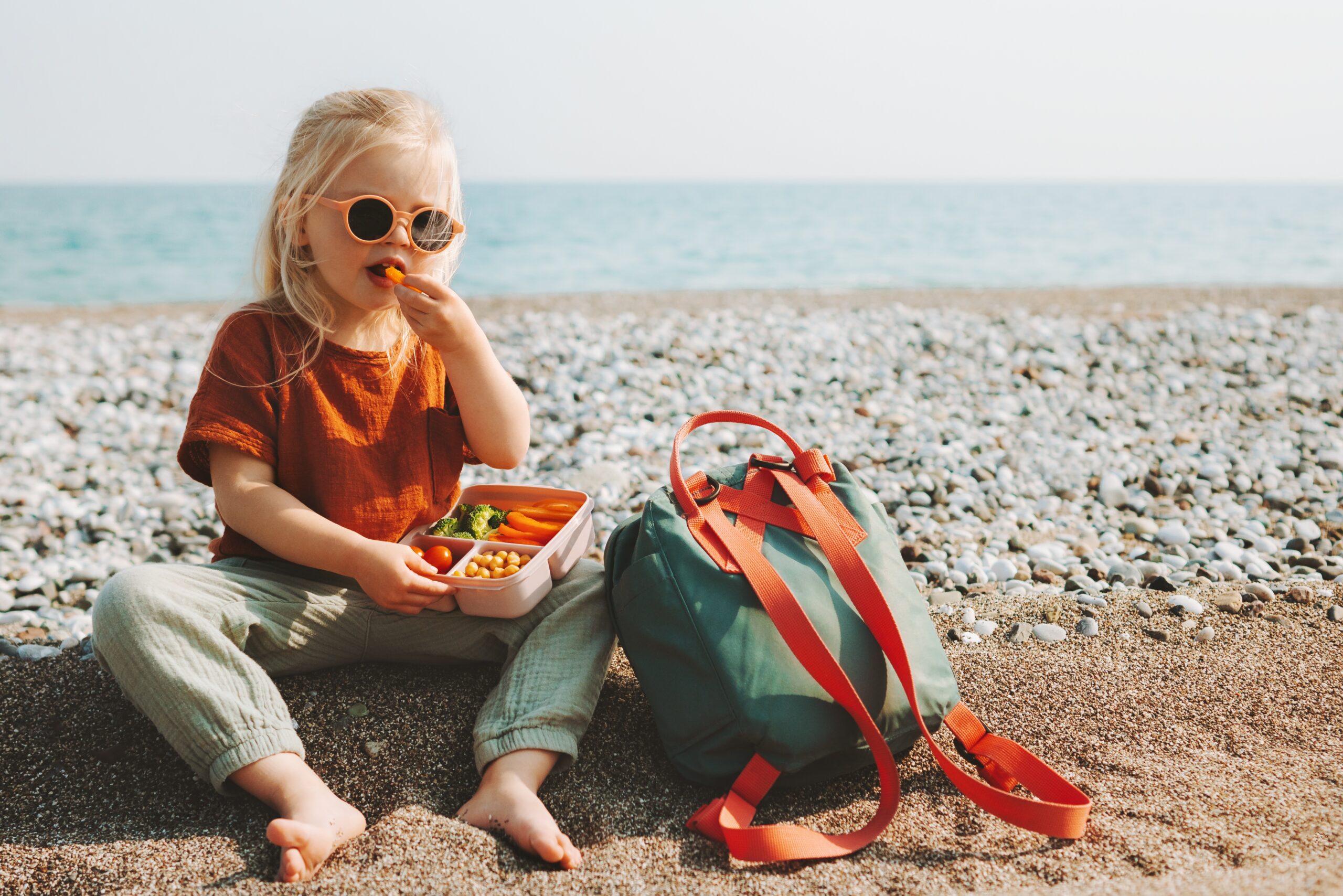
We try to be very transparent that we rely on the accessibility of several packaged and processed foods in our home to get by. You’ll always find things like boxed cereal, crackers, dried fruits, dehydrated veggies, and seaweed snacks in our pantry.
While we certainly encourage cooking over take-out and homemade meals versus packaged foods most of the time, that’s not always realistic with kids and busy schedules – and that’s okay! These types of foods can have a place in a perfectly healthy diet.
11. Encourage outdoor activities
What does exercise have to do with nutrition? Physical activity helps regulate your child’s appetite and encourages healthier and more mindful eating habits. It can be easy for them (and us) to fall into boredom snacking when we’re sedentary, especially during screen time.
To help find a healthy balance, plan fun activities like biking, swimming, rollerblading, or hiking to keep the whole family active at home.
Like this post? Send it straight to your email
Enter your email and get it sent to your inbox! Plus, we’ll send you our free 5-day mini-course on Pediatric Nutrition!
Chime In: What other nutrition-related challenges do you face in the summer? Have other tips? Share them in the comments.
If you liked this post, we think you should read these too: