
What to do with bad produce? Ideas for how to use fruits and veggies that you don’t want to eat. How to use food scraps.
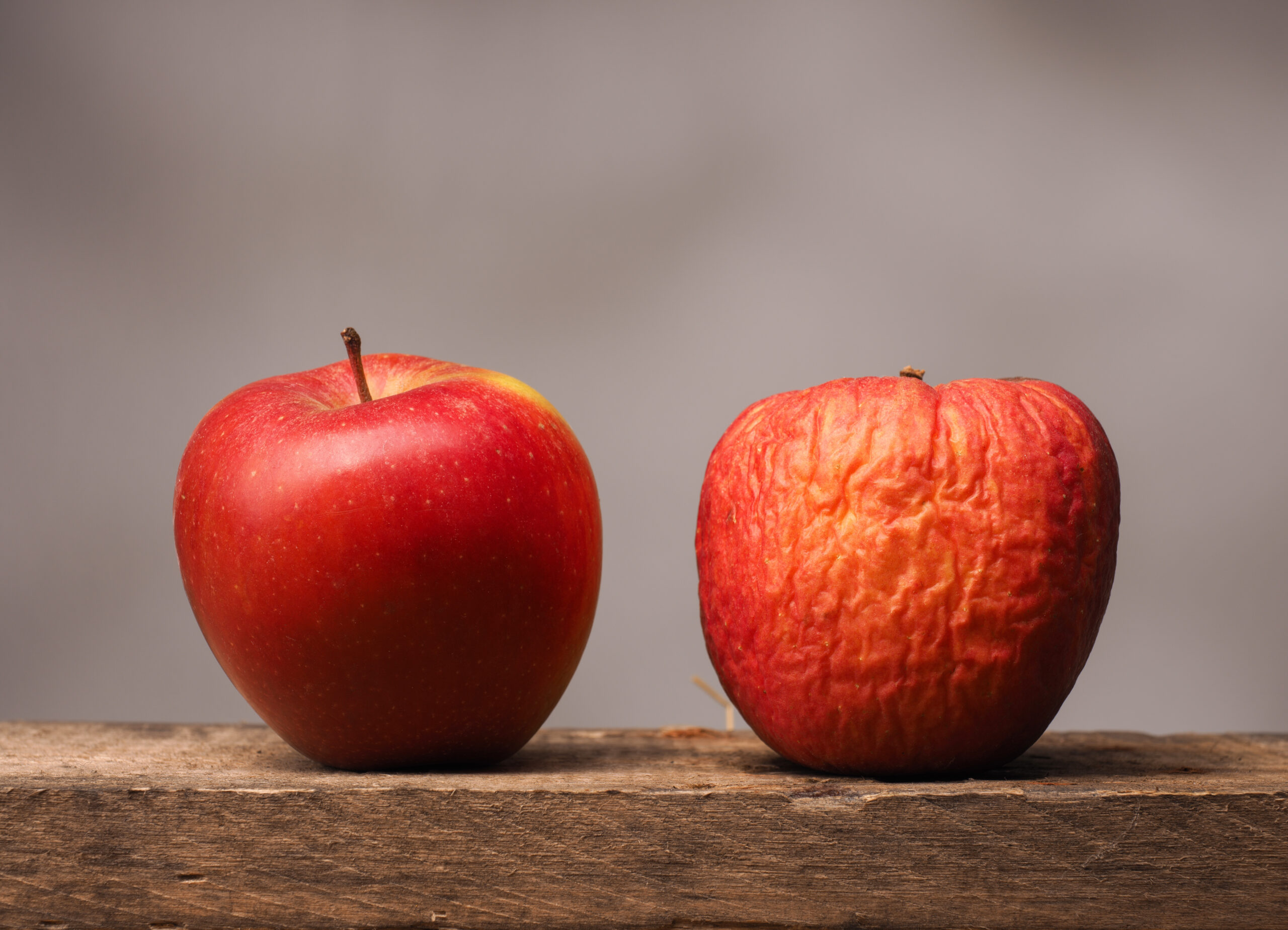
We’re reaching the end of hot summer stretches, but we’ve certainly spent many of those days eating fresh produce, like watermelon, citrus, tomatoes, and greens.
That also means we’ve had plenty of opportunities to figure out how to salvage a bad one. You know those ones that look delicious on the outside, but when you cut into you just find a pale, mealy interior? Or those greens that looked good enough in the store, but are all wilted on the inside when you take a closer look? Ugh.
No worries! Here are 5 fruits and veggies you can salvage instead of tossing them in the trash:
1. Watermelon
Even when they’re not quite up to the pink and juicy par you want, watermelons can be utilized for other tasty things!
- Make watermelon juice. Toss melon into a blender and puree it, adding a bit of lemon, lime, or a sprinkle of sugar. You can also combine it with sparkling water for a bubbly refreshment.
- Use it for knife skills training, using kid-safe plastic cutlery. Whitney’s son had a field day with this one and couldn’t care less that it wasn’t as sweet and tasty as the kind we usually buy.
- Make popsicles! Similar to the juice, just blend the watermelon with any mix-ins (lime juice or coconut milk are two of our favorites) and freeze. It makes for an easy, hydrating summer treat.
2. Tomatoes
Sometimes tomatoes are either a little too squishy or dry in the middle than we wanted. Or perhaps we waited a little too long to eat them. Here’s what you can do!
- Can them! Canning tomatoes is easier than it may seem – and it makes a ton.
- Make marinara or pizza sauce. Homemade tomato sauce is a great vehicle for other veggies too, like carrots, zucchini, onions, and bell peppers.
- Make tomato soup! Tomatoes plus a bunch of herbs and a creamy base? Yes please. Make a creamy tomato basil soup or maybe our Vegan Tomato Lentil Soup.
3. Greens
Spinach, kale, romaine, or Swiss chard may sound great one day, but if you don’t make them in time, they can wilt. But the good news is you can either perk them back up or cook them into something tasty.
- Perk them up! Make yourself a little green bouquet and place it in a mason jar with water in the fridge. This can help bring them back to life – just be sure to use them before they wilt again.
- Saute them. Already soggy greens? No problem, just chop them and add them to a skillet with a little bit of olive oil or vegetable broth, minced garlic, and maybe a pinch of salt and pepper. Sauteed greens make a lovely side dish, or use them to top a protein bowl or layer onto a sandwich.
- Add to smoothies. For an extra nutrition boost, add spinach or kale to your smoothie. Don’t love greens! All the more reason to blend them up with berries, apples, or citrus.

4. Carrots
Just because your carrots aren’t super crunchy doesn’t mean they’re useless! Here are a few ways to use carrots that are past their prime.
- Make vegetable broth. Homemade broth is a great way to use up extra veggie ends, peels, and herbs you may have left over. This just involves tossing them into a large pot with water, salt, and pepper, and bring to a boil, then simmer for about an hour. When done, drain out the solids and enjoy the remaining broth.
- Pickle them! Pickled vegetables are fun to make and fun to eat – at least we think so. Serve alongside a hearty sandwich, alongside a dip, or as part of a snack plate.
- Make carrot juice. Homemade carrot juice is packed with vitamin A. You can even mix it with some orange juice and ginger or turmeric.
5. Grapes + Berries
Nobody really looks forward to a soggy grape or berry, but if you don’t want to trash them yet, here are a couple of creative ideas!
- Freeze them! Remove grapes from their stems, rinse and dry them, and toss them in a sealable bag in the freezer. A nice cool, sweet snack. You could even mash some berries into ice cube trays, fill them with water, and make fun ice cubes for cooling off drinks!
- Make jam. Toss raspberries or strawberries in a food processor with some chia seeds and lemon juice, then transfer to a container in the fridge to set.
What to do with bad produce? Worry no more! Try these ideas for how to use food scraps you don’t want to eat.
Like this post? Send it straight to your email
Enter your email and get it sent to your inbox! Plus, we’ll send you our free 5-day mini-course on Pediatric Nutrition!
Chime In: What are some other ways you use food scraps in your home? Share below!
If you liked this post, we think you should read these too:


